The Bench Is Not the Whole Public Space
Plan a bench in a rural public space around comfort, purpose, and upkeep so the finished spot feels welcoming without creating a burden for the community.
The most common mistake in planning a bench in a rural public space is treating the purchase as the whole project. That can leave a community with furniture nobody uses, a maintenance task nobody owns, or a gathering spot that conflicts with the space’s other purposes.
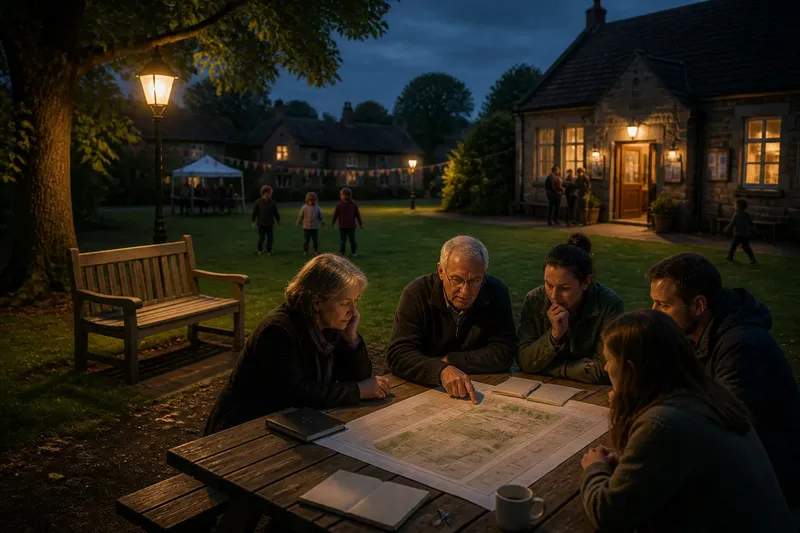
Imagine a village committee discussing a bench near its meeting hall. The green hosts informal chats, children’s play, and occasional community events, while the hall’s volunteers already manage routine upkeep. Before choosing a style, the committee needs to agree on what the bench is for, who will look after it, and how it can coexist with the green’s everyday life.
What should the bench be for?
A bench can serve different purposes: a place to rest, a spot for conversation, or somewhere to watch activity. Those uses call for different arrangements. A seat intended for a quiet pause may be better away from a busy gathering point, while one meant for conversation might sit near the hall without interrupting its entrance.
The committee can start by asking residents what they would use the seat for and when. A simple conversation at a hall event or a note in the community newsletter may reveal competing preferences. Some people may want a quiet place; others may prefer a seat that makes it easier to meet neighbors.
Write down the intended uses before discussing materials or appearance.
How can the bench fit the green’s shared uses?
Shared land has more than one audience. A bench should not become an obstacle during a community gathering, block access to a facility, or claim space that local groups rely on for an activity. The committee can mark the proposed seating area on a simple plan alongside regular events, play areas, gates, and any existing fixtures.
Say the committee’s invented plan places a bench where a local group sometimes sets up tables for a seasonal gathering. Members mark the tables and bench on paper, then notice the seat would occupy the group’s usual serving area. They move the proposed location on the sketch to a quieter edge; the observable result is that the gathering layout remains available while the green still gains a place to sit.
Think about how the space changes during the year, not only how it looks on an ordinary afternoon.
Who will maintain and manage it?
A new fixture creates continuing work: someone may need to clear litter, check for damage, keep nearby plants under control, and report problems. Agreeing on responsibility in advance can prevent the bench from becoming an unclaimed task.
The committee should identify who can authorize the installation and who will handle routine care. Depending on the land, that might involve the parish or town council, a landowner, a recreation group, or another local organization. If responsibility is shared, write down who does what and how concerns should be reported.
Choose a plan that fits the community’s actual capacity to care for the space.
What should the committee compare before deciding?
A short comparison can make the decision clearer. For each proposal, note the intended use, effect on other activities, upkeep responsibility, and any permission that still needs to be confirmed.
- Purpose: If residents identify a clear use, such as resting or conversation, then compare locations against that use; if preferences conflict, discuss whether one seat can serve both or whether the proposal needs rethinking.
- Shared activities: If the proposed spot overlaps a regular event or play area, then shift the location or revise the event layout; if it does not, keep checking for less frequent uses before settling on it.
- Responsibility: If a named group agrees to routine care, then record its role; if nobody can take it on, pause the purchase and ask the land manager what arrangement is possible.
- Permission: If the landowner or responsible body approves the plan, then proceed to confirm applicable local requirements; if approval is unclear or refused, do not install the bench and ask what alternatives are allowed.
- Materials and care: If the proposed material fits the setting and available upkeep, then keep it under consideration; if its care needs exceed local capacity, compare a simpler option or reconsider the project.
- Community response: If comments reveal a concern the committee can address, then revise the proposal and explain the change; if views remain divided, hold another discussion before making a commitment.
What questions do residents often ask?
Does a village bench need planning permission?
Requirements depend on the land, the proposed work, and local rules. Ask the landowner or responsible local authority before buying or installing anything.
Who is responsible for a bench on shared land?
Responsibility depends on who owns or manages the site and any agreement for its use. Confirm who handles care, repairs, and reports of damage before the project proceeds.
How can residents have a say in the bench location?
Invite comments through a community meeting, a notice at the hall, or the organization’s usual local communication channel. Explain the intended use and any constraints so people can respond to a specific proposal.
What if the community disagrees about the proposal?
Record the different concerns and see whether a revised location or purpose can address them. If the disagreement remains, delay the decision rather than presenting an unresolved choice as settled.
How might a committee reach a workable decision?
Imagine the invented committee has three proposals: a quiet seat by the green’s edge, a conversation bench near the hall, and no new furniture until upkeep is arranged. Residents say they want a place to pause, but event volunteers point out that the hall-side spot would interfere with their usual setup. The committee confirms that the land manager must approve any installation and that the volunteer group can handle routine checks only if the seat stays clear of event storage.
Using those inputs, the committee removes the hall-side location from consideration, asks the land manager about the quieter edge, and checks whether the volunteer group can take responsibility there. The resulting decision is conditional rather than assumed: proceed with the edge location if permission and a care arrangement are confirmed; otherwise, postpone installation. That approach preserves the green’s shared use and avoids assigning maintenance to nobody.
A bench in a rural public space works best as a shared commitment, not just a piece of furniture. Agree on its purpose, respect the people and activities already using the land, and settle responsibility before installation. Those decisions make it easier for residents to enjoy the seat and for the community to keep the wider space welcoming.